




Clinical Services
Integrative care guided by diagnosis, timing, and refinement
Care in this practice is not organized as a menu of treatments, but as a coordinated clinical process. Each visit is guided by careful assessment and adapted in real time to support regulation, recovery, and lasting change.
Treatment may include acupuncture, herbal medicine, manual therapies, and integrative approaches applied selectively and in alignment with the body’s priorities.
Core Clinical Framework
Holistic care is guided by three interrelated pillars, applied according to diagnosis, timing and response:
Acupuncture & Selective Manual Therapies
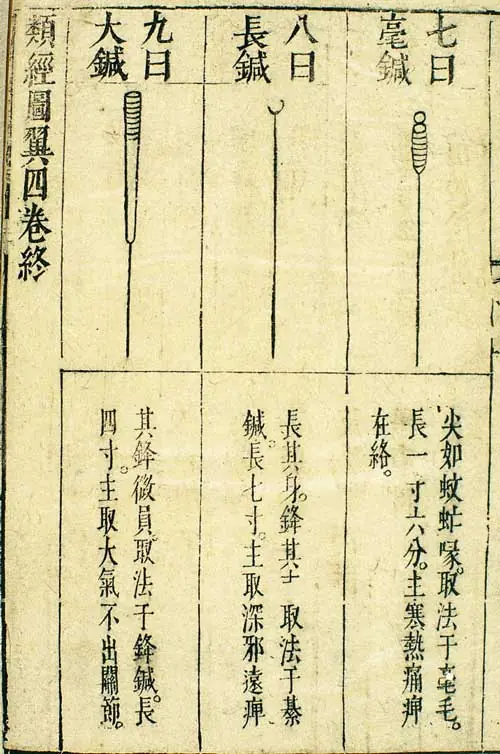
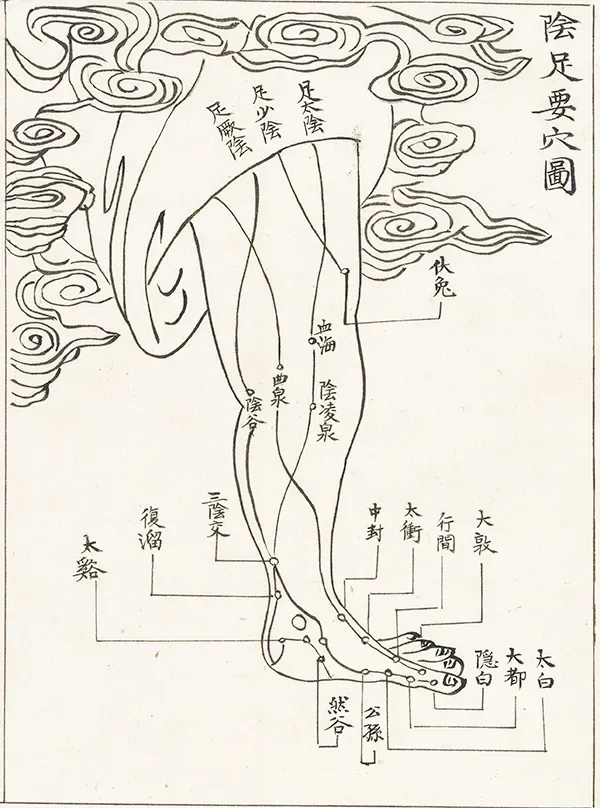
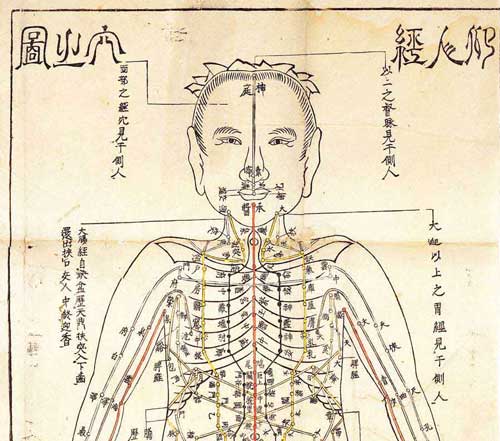
Acupuncture and carefully selected hands-on therapies relieve pain, restore function, improve tissue response, and support nervous system and physiologic regulation.
Chinese & Integrative Herbal Medicine
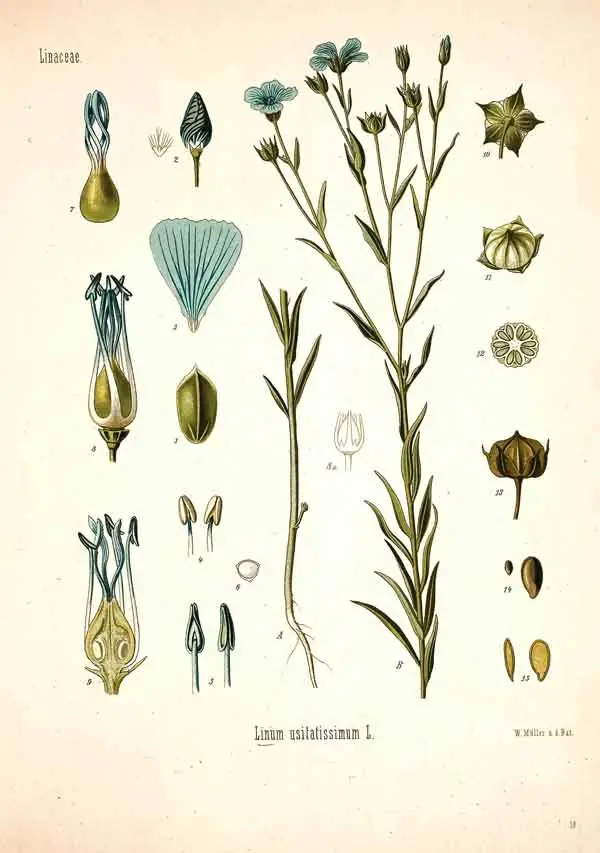
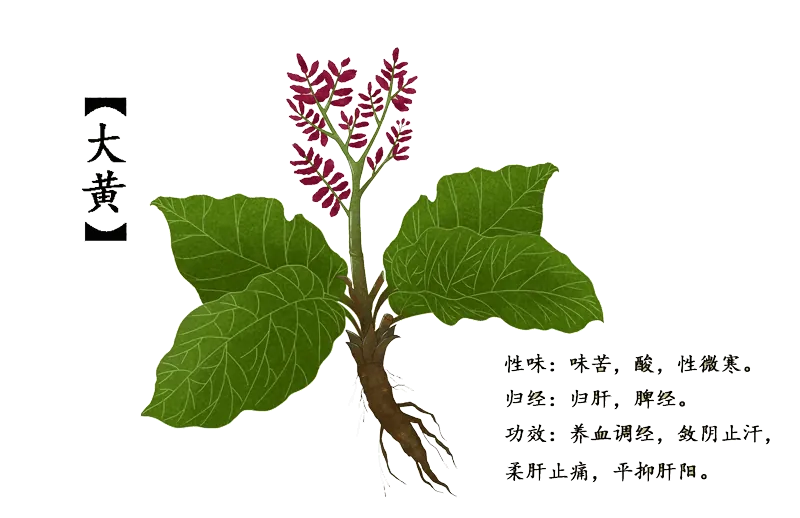
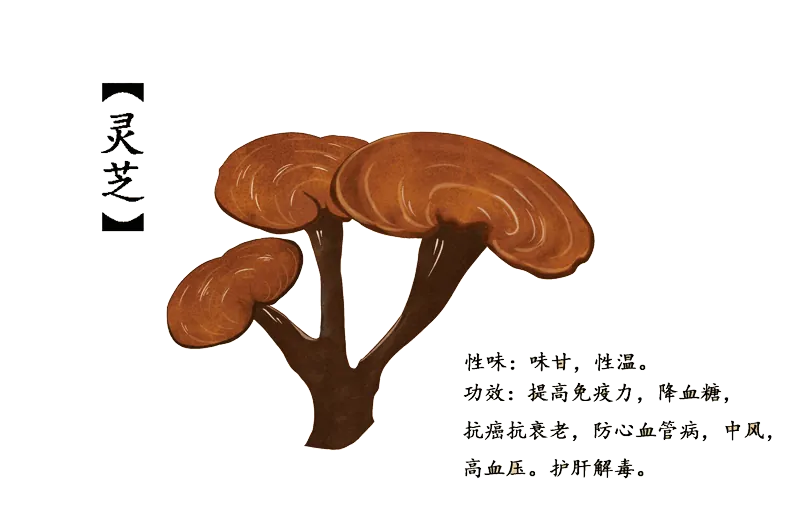
Individualized herbal medicine forms the internal medicine foundation of care, drawing primarily from Chinese medicine while integrating Western, naturopathic, and Ayurvedic herbal approaches when clinically appropriate.
Lifestyle, Diet & Cultivation Practices
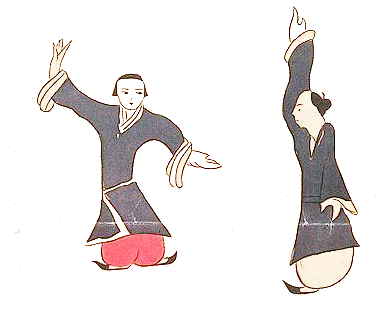
Personalized dietary guidance, therapeutic movement, breathwork, and medical qigong support resilience, self-regulation, healing, and long-term health when clinically appropriate.
These pillars are integrated according to diagnosis, timing, and ongoing clinical assessment rather than predetermined formulas or fixed protocols. Emphasis is placed on doing what is most appropriate at the right time- not necessarily more. As the body responds, treatment is continually refined to support lasting healing with precision, restraint, and thoughtful clinical judgment.
Integrative Supportive Therapies
Applied selectively within care · Not separate services
Supportive therapies are neither routine nor offered as standalone services. They are incorporated when they meaningfully enhance treatment or support the body’s response to care.
Selection is guided by individualized assessment, clinical findings, timing, treatment goals, and—when appropriate—patient preference and comfort.
Manual & Traditional Therapies
Drawing upon more than 28 years of experience in the healing arts and an extensive background in bodywork and manual therapies, Dr. Loop incorporates hands-on assessment and treatment when clinically indicated.
Treatment is informed by diagnosis, pulse findings, channel and tissue palpation, functional movement, and the body’s response rather than routine protocols.
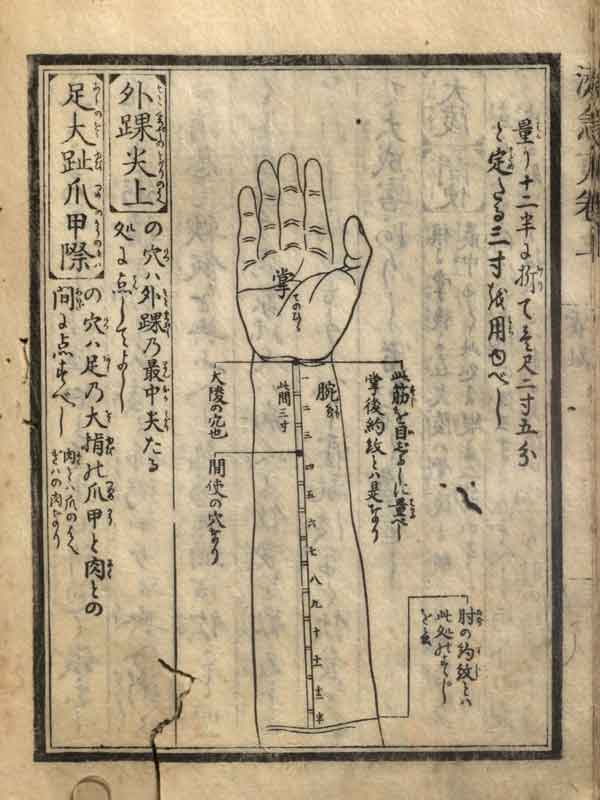
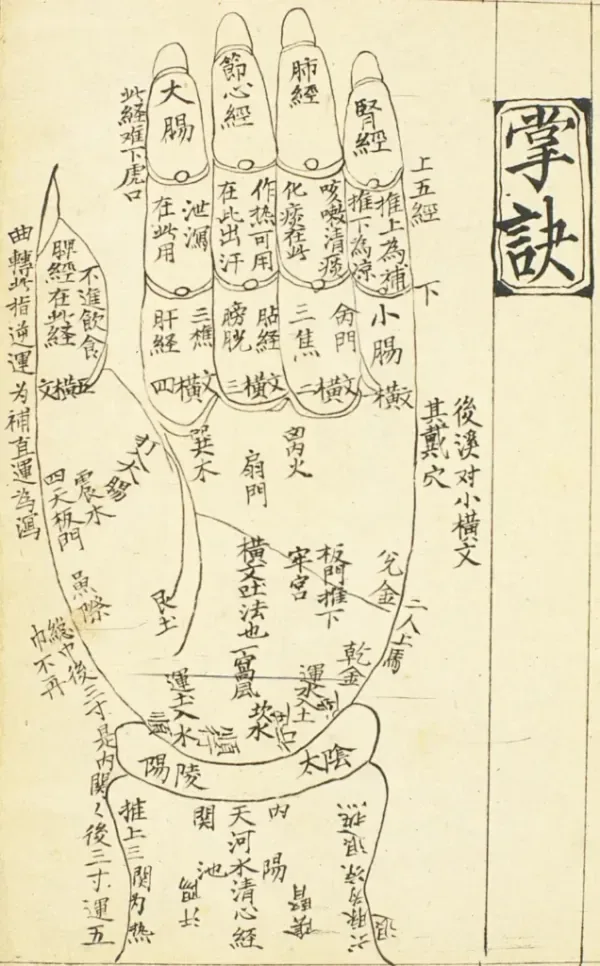
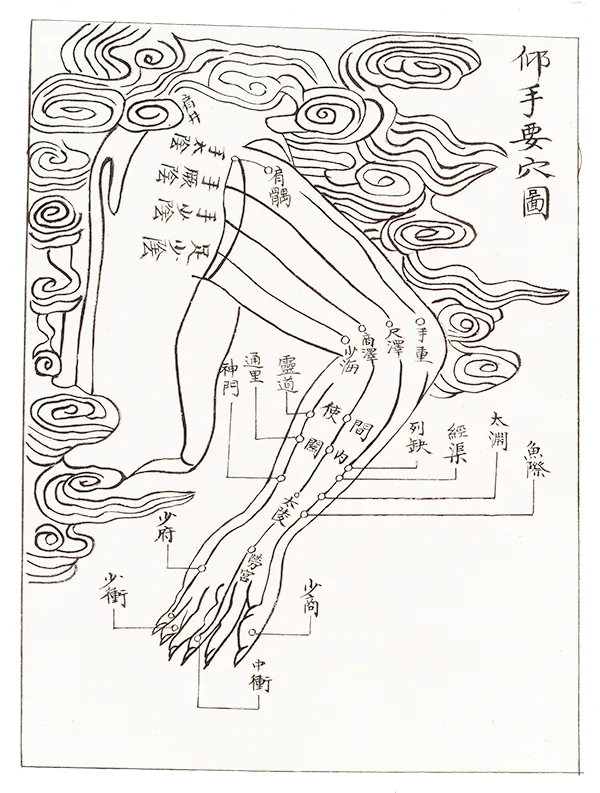
Care may include medical massage and soft-tissue techniques, Tui Na, moxibustion—including direct, indirect, and Japanese approaches—cupping, Gua Sha, and other traditional methods selected to support circulation, tissue mobility, channel function, pain relief, and functional recovery.
Light, Frequency & Supportive Technologies
Light, frequency, and other supportive technologies may be incorporated when they meaningfully complement the primary treatment strategy.
Pulsed electromagnetic field therapy (PEMF) is commonly integrated into treatment sessions, with placement, settings, and therapeutic emphasis individualized according to presentation and response.
When appropriate, additional approaches may include photobiomodulation (low-level laser therapy), biophotonic light applications, therapeutically applied sound, magnets, and other frequency-informed technologies.
These modalities remain supportive rather than primary and are selected according to clinical findings, therapeutic goals, and the individual’s evolving response to care.
Topical & Environmental Support
Topical and environmental therapies may be incorporated to complement treatment and support comfort, circulation, tissue response, and physiologic regulation.
These may include herbal liniments and oils, infrared or mineral heat, aromatherapy, hydrotherapy, steam applications, fomentations, and inhalation therapies.
In select cases, constitutional hydrotherapy principles may also be incorporated as a structured naturopathic approach to supporting circulation and whole-system regulation.
Clinical Refinement & Biofeedback Tools
Muscle Testing & Applied Kinesiology- Adjunctive Use Only
Muscle testing and applied kinesiology may occasionally be used as supplementary biofeedback tools to inform clinical decisions, particularly in complex or highly sensitive cases.
It does not replace medical history, physical examination, classical diagnosis, pulse examination, or palpatory assessment. When used, it serves as an adjunct to help explore therapeutic priorities, tolerance, and the timing or sequencing of care.
Energy-Informed Context (When Relevant)
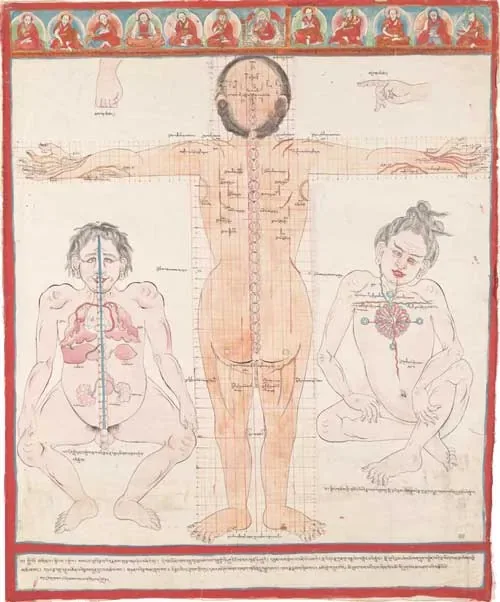
Classical Chinese Medicine has long understood health through relationships between structure, physiology, vitality, and the body’s functional and energetic organization.
When clinically relevant, broader energy-informed perspectives may also contribute to understanding patterns of regulation and response. These perspectives are approached pragmatically and non-dogmatically and are incorporated only when they add meaningful value to care.